

All educational content on this website is medically reviewed and overseen by Dr Joshua Berkowitz (MB ChB, FRCOG), a UK GMC-registered physician with over 18 years of experience helping men with Pearly Penile Papules and related concerns.
Pearly Penile Papules Centre — Trusted Help for PPP Anxiety
Found Bumps or White Spots on Your Penis? Don’t Panic Yet
Pearly Penile Papules (PPP) are a common, harmless skin variation – not an STD, not contagious, and nothing to be ashamed of.
If you are here because you noticed small bumps and feel anxious, you have come to the right place. This website exists to give you clear, medically accurate information to help you identify what’s normal, what’s not, and how to tell PPP and other harmless conditions apart from STIs.
Education should reduce worry and help you make a fully informed treatment decision—without any pressure to buy anything.
Anxiety Stops Here!
Many men spend weeks or months fearing the worst: cancer, an incurable STD, or something “wrong” with their body. PPP are none of those things. They are a normal anatomical variation, most common in uncircumcised men, and they affect an estimated 14–48% of the male population.
Source: PubMed Central – Pearly Penile Papules: A Systematic Review of Treatment Modalities
You are not alone. You are not diseased. You are normal.
What Are Pearly Penile Papules?
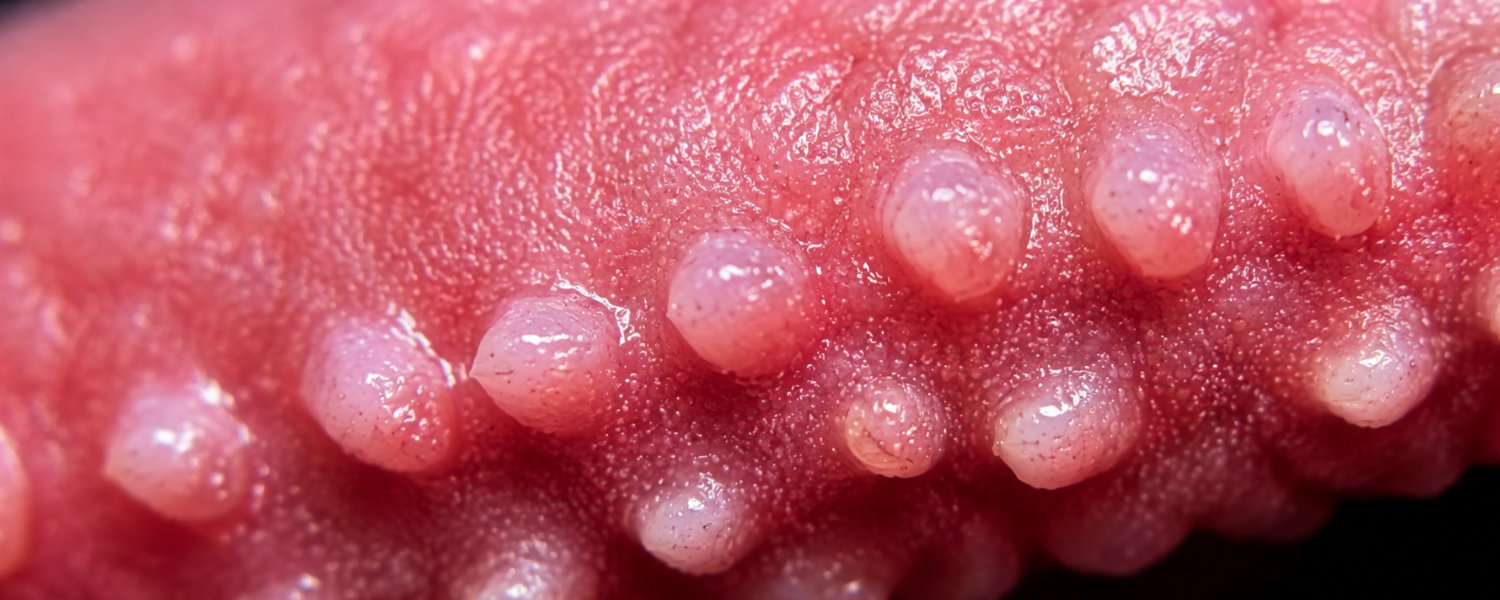
PPP – also known as hirsutoid papillomas – are small, smooth, dome‑shaped bumps that typically appear in one or more symmetrical rows around the rim of the glans (head) of the penis.
Many men feel anxious when they first notice PPP because they can resemble STIs. This fear is normal — PPP are harmless. If you’re feeling worried, our emotional‑impact guides can help.
Hirsutoid Papillomas are:
- Completely harmless
- Not sexually transmitted
- Not contagious
- Not linked to cancer or any disease
- Usually painless and non‑itchy
- A normal anatomical variation (most common in uncircumcised men)
PPP Anxiety, Confidence & Emotional Wellbeing
Feeling worried about PPP? You’re not alone.
Many men feel a surge of fear when they first notice Pearly penile papules. It’s extremely common to worry they might be an STI, to feel embarrassed about how they look, or to fear a partner’s reaction. These emotional responses are normal — and they’re far more widespread than most people realise.
PPP are medically harmless, but the anxiety, confusion and stigma surrounding them can have a real impact on confidence, relationships and day‑to‑day wellbeing. If you’re feeling stressed or unsure, this section is here to support you.
Why PPP can affect your mental health
Even though PPP are completely benign, they sit at the intersection of:
- sexual identity
- body image
- fear of infection
- fear of judgement
- relationship confidence
This combination can create powerful emotional reactions. Many men describe:
- worrying they’ll be judged or rejected
- avoiding intimacy because of embarrassment
- repeatedly checking the bumps
- feeling isolated or ashamed
- fearing they have an STI despite reassurance
These feelings are understandable — and they can be eased with clear information and supportive guidance.
Body Image & Genital Appearance: Understanding Confidence, Sex and PPP
Body image is not only about weight, muscles or overall appearance. For some men, concern becomes focused on one private feature — including the appearance of the penis. PPP can become part of this journey, particularly when an unfamiliar appearance affects confidence or intimacy.
The House of Commons Health and Social Care Committee’s work on body image recognised that body-image concerns affect men and boys as well as women and girls, while also highlighting the relatively limited attention historically given to male body-image concerns.
Source: House of Commons Health and Social Care Committee
Explore Body Image & Genital Appearance with Pearly Penile Papules, & PPP or PDD Are They the Same? What You Should Know
When “Harmless” Isn’t the End of the Conversation
Being told that PPP are harmless can bring enormous relief — but for some men, it doesn’t answer every question. What happens when you understand they’re normal but still feel anxious about their appearance, confidence or relationships? And are you allowed to consider treatment if you simply don’t want them?
Got PPP? — Why We Don’t Stop at “They’re Harmless”
Explore why reassurance should open the conversation rather than close it — and how understanding, education and informed choice can help a man decide what is right for him.
You deserve reassurance, clarity and confidence
Our emotional‑impact guides are designed to help you:
- Understand why PPP trigger anxiety
- Separate medical facts from fear
- Reduce stigma and self‑criticism
- Rebuild confidence in dating and relationships
- Learn how partners typically respond (far better than most men expect)
- Find long‑term coping strategies that genuinely work
If PPP are affecting your confidence or causing worry, these resources can help you feel grounded, informed and supported.
PPP Reassurance Checklist
A quick reminder of the facts:
- PPP are harmless
- PPP are not an STI
- PPP do not spread
- PPP do not mean poor hygiene
- PPP affect up to 48% of men
- PPP often become less noticeable with age
- Anxiety about PPP is very common
If you’re feeling overwhelmed, these truths can help ground you.
If PPP anxiety is affecting your wellbeing
It’s completely okay to seek support. A qualified healthcare professional or mental‑health provider can help you work through fear, confusion or relationship worries. PPP themselves are harmless — but your emotional wellbeing matters.
You’re not alone — and you’re not abnormal
PPP are a normal anatomical variation. The fear surrounding them comes from misunderstanding, not from the condition itself. With the right information and reassurance, most men regain confidence quickly.
Explore the guides below whenever you need clarity, reassurance or support.
Emotional & Mental Health Support
We know that even after learning PPP are harmless, many men still struggle with anxiety, shame, or fear of rejection. That is real, and we take it seriously.
Frequently Asked Emotional Support Questions as Noted by Dr. Josh From 18 Years Clinical Observations
Common Penile Papule Worries
Over the course of his clinical practice, Dr Joshua Berkowitz has repeatedly encountered the same pattern of concerns in men presenting with Penile Papules (PPP). In most cases, patients are not experiencing physical symptoms, but are instead seeking reassurance due to uncertainty about appearance and what it means for their health or sexual wellbeing.
These concerns are typically driven by misunderstanding and anxiety rather than any underlying medical issue. Questions about whether PPP are normal, contagious, or related to sexual health are among the most common issues raised during consultations, reflecting how easily harmless anatomical variations can be mistaken for something more serious.
| You might be thinking… | The truth is… |
|---|---|
| Is this an STD? | No. PPP are a normal skin variation, not an infection. Learn the difference between PPP and genital warts |
| Is it contagious? | Absolutely not. You cannot pass PPP to anyone. Read more about contagion |
| Does it mean I have poor hygiene? | No. PPP are not caused by hygiene. They are simply how your skin developed. |
| Will it go away on its own? | Often yes, but they may persist for years. They are harmless either way. More details |
| Can I still date and have sex? | Yes. PPP do not affect sexual function or health. Dating with confidence |
| I feel ashamed – is that normal?? | Very common. But there is nothing to be ashamed of. Emotional support guide |
How to Know If It’s Really PPP
PPP are often confused with:
- Genital warts (caused by HPV – different appearance and texture)
- Fordyce spots (oil glands – smaller and more scattered)
- Molluscum contagiosum (viral – usually has a dimple in the centre)
A proper diagnosis brings peace of mind. In most cases, an experienced doctor can diagnose PPP just by looking – no swabs or blood tests required.

Our PPP Specialist Doctor – Dr. Joshua Berkowitz (MB ChB, FRCOG)
With over 18 years of experience helping men with Pearly Penile Papules, Dr. Joshua Berkowitz has supported thousands of patients through diagnosis, reassurance, and treatment, alongside a long career in both surgical and non-surgical medical specialties.
“Our goal is simple: provide accurate, evidence-based information that helps men understand Pearly penile papules, and reduce associated anxiety.”
All Medical Oversight is Provided by Dr. Joshua Berkowitz (MB ChB, FRCOG).
This site and its treatment information are medically reviewed and overseen by Dr. Joshua Berkowitz, a UK General Medical Council-registered physician GMC Registration Number: 2227212.
Dr. Josh has formal medical training from Birmingham University Medical School, & holds Membership and Fellowship of the Royal College of Obstetricians & Gynaecologists (FRCOG), and is an active member of the British Medical Association, The Royal Society of Medicine, the British Association of Cosmetic Doctors, and the British College of Aesthetic Medicine.
Medical Evidence Supporting Pearly Penile Papules (PPP)
The information provided throughout this website is based on published medical literature, recognised dermatology resources, and peer-reviewed clinical research.
What Medical Research Shows
Pearly Penile Papules (PPP) are a normal anatomical variation.
According to the National Center for Biotechnology Information (NCBI), Pearly Penile Papules are a benign anatomical variant found in healthy men and are not considered a disease.
Source: https://www.ncbi.nlm.nih.gov/books/NBK442028/
PPP are common and affect an estimated 14%–48% of males.
Medical studies have consistently reported that Pearly Penile Papules are one of the most common normal variations of penile anatomy, affecting approximately 14–48% of men.
Sources: https://www.ncbi.nlm.nih.gov/books/NBK442028/ | https://pmc.ncbi.nlm.nih.gov/articles/PMC5987947/
PPP are not sexually transmitted and are not contagious.
Dermatology authorities confirm that Pearly Penile Papules are not caused by sexual activity, cannot be passed between partners, and should not be confused with sexually transmitted infections such as genital warts.
Source: https://dermnetnz.org/topics/pearly-penile-papules
PPP are harmless and are not linked to cancer.
Major medical organisations recognise PPP as a harmless condition that carries no cancer risk and does not cause long-term health problems.
Source: https://my.clevelandclinic.org/health/diseases/23936-pearly-penile-papules
Most men do not require treatment.
Medical references consistently state that Pearly Penile Papules do not require medical treatment because they are a normal anatomical variation. Treatment is generally considered only when a patient wishes to improve appearance for cosmetic reasons.
Sources: https://www.ncbi.nlm.nih.gov/books/NBK442028/
Anxiety and embarrassment are among the most common reasons men seek help.
PPP are known to cause significant distress because of their resemblance to sexually transmitted infections.
Source: https://pmc.ncbi.nlm.nih.gov/articles/PMC5987947/
Often, lesions cause great anxiety to patients until their benign nature is clarified.
Source: https://emedicine.medscape.com/article/1058826-overview
What We Have Learned From 18 Years of Helping Men With PPP
For more than 18 years, Dr Berkowitz has assessed and treated men concerned about Pearly Penile Papules (PPP). During that time, he has helped patients from across the UK and internationally who were seeking reassurance, diagnosis, or cosmetic removal of PPP.
His clinical experience has shown that many men initially mistake PPP for sexually transmitted infections, leading to unnecessary anxiety and concern. This first-hand experience helps inform both the educational content on this website and the patient-centred approach taken during consultations.
18 years of helping men with Pearly Penile Papules, several patterns appear again and again.
- Most men initially worry that PPP are a sexually transmitted infection.
- Many patients spend weeks or months searching online before discovering PPP.
- Anxiety is often caused by uncertainty rather than the papules themselves.
- Partners are usually far less concerned than patients expect.
- A clear diagnosis often provides immediate reassurance and peace of mind.
These observations are based on real-world patient consultations and are one of the reasons this educational resource was created.
Read: What 18 years of helping men with PPP has taught us about anxiety, relationships and diagnosis.
Frequently Asked Questions
Find The Information You Need
Whether you’re worried about an STD, trying to identify bumps, or looking for reassurance, start with the topic that matches your situation.
Is This Normal?
Understand common penis bumps, white spots and normal anatomical variations.
- Penis Bumps: Causes & Symptoms
- White Spots on the Penis
- Normal Penis Bumps
- PPP vs Genital Warts
- When to See a Doctor
What Are Pearly Penile Papules?
Medical facts, causes, diagnosis and identification.
Living With PPP
Support for anxiety, confidence and relationships.
- PPP & Mental Health
- Dating With PPP
- Social Stigma
- Long-Term Coping
- Girlfriend’s Guide
- Gay or Bisexual Relationships & PPP
Treatment Information
Evidence-based information about treatment options and whether treatment is even necessary.
Complete Medical Guide (Start Here)
If you want everything in one place, read our Complete Medical Guide to Pearly Penile Papules. It covers causes & diagnosis, with answers to every question we hear from worried men.
What Patients Commonly Tell Us
Many men tell us they first noticed PPP during their teenage years or early adulthood and immediately feared they had an STD.
Others report avoiding relationships, delaying intimacy, or repeatedly searching online for answers before discovering that PPP are a harmless anatomical variation.
While every situation is different, these concerns are extremely common and are reflected throughout our educational guides.
You Are Not Alone
Pearly penile papules are one of the most common “hidden” skin variations in men. Yet almost no one talks about them – which creates unnecessary fear and shame.
We created this site to break that silence. Every guide, every fact, every reassurance is free, unbiased, and written to help you fully understand the condition.
- Browse our full library of 120+ guides by topic
- Read real questions from other men (FAQ)
- Contact us – confidential, no pressure
Take a deep breath. You are normal. You are healthy. And you are welcome here.
Our Commitment to Medical Accuracy
Medical information is regularly reviewed against peer-reviewed research, recognised dermatology resources, and established medical references to ensure accuracy and relevance.
Media Coverage
“Dr Joshua Berkowitz’s approach to PPP has been featured in independent media coverage, including a Daily Mail case story about a patient who had mistaken PPP for an STI for many years.”
Treatment Options for Pearly Penile Papules
Do Pearly Penile Papules require treatment?
Pearly Penile Papules (PPP) are completely harmless and do not require any medical treatment. They are a normal anatomical variation and are not linked to infection, sexually transmitted diseases, or long-term health risks.
For most men, reassurance and understanding the condition is enough.
However, some men choose to explore treatment for personal or cosmetic reasons rather than medical necessity.
Why do some men choose PPP removal?
Although PPP are medically harmless, treatment may be considered when:
- The appearance causes ongoing anxiety or distress
- There is concern about sexual confidence or intimacy
- The individual prefers a smoother cosmetic appearance
- Misidentification with sexually transmitted infections continues despite reassurance
Treatment is therefore cosmetic and elective, not medically required.

Total success
I had penile papules for years and it had become a real problem for me – more psychological than anything else. … I decided to do something about it, and found Dr Joshua Berkowitz.
It was a total success and within around 9 – 10 days of the procedure, any mild soreness had gone.
I’m the happiest I’ve been for years since the removal of the penile papules and I would recommend it to any other man suffering or worrying about this problem.
David, London , Patient
Testimonials Dr. Josh has received from men suffering with PPP
Professional treatment options for PPP
If removal is requested, treatment must be performed by a qualified medical professional. The goal is to safely reduce or remove the papules while minimising scarring and preserving normal penile tissue.
CO₂ Laser Treatment (most commonly used)
CO₂ laser treatment is one of the most widely used methods for PPP removal.
- Targets individual papules with precision
- Vaporises excess tissue layer by layer
- Minimises damage to surrounding skin when performed correctly
- Typically performed under local anaesthetic
- Healing time is usually short, with temporary redness or mild scabbing
When performed by an experienced clinician, CO₂ laser treatment is considered highly effective for cosmetic improvement.
Electrosurgery (precision cautery)
Electrosurgery uses controlled heat to remove or flatten papules.
- Suitable for small, evenly distributed PPP
- Allows precise targeting of individual bumps
- May be used as an alternative to laser depending on clinic expertise
- Healing involves short-term sensitivity and surface healing over days to weeks
Ablative or radiofrequency techniques
Some clinics may use radiofrequency or other ablative methods.
- Works by gently destroying targeted papule tissue
- Often used in specialist cosmetic dermatology settings
- Technique selection depends on clinician preference and patient presentation
What results can you expect?
PPP removal is considered a cosmetic procedure, so results focus on appearance improvement rather than medical necessity.
Typical outcomes include:
- Reduction or complete removal of visible papules
- Smoother appearance of the glans
- High satisfaction when expectations are realistic
Healing time varies depending on treatment method, but most patients experience:
- Mild swelling or redness initially
- Small scabs that heal naturally
- Gradual return to normal skin appearance over days to weeks
Are results permanent?
In most cases, treated PPP do not return in the same areas once successfully removed.
However, it is important to understand:
- PPP are a natural skin variation, not a disease
- New papules may appear in untreated areas over time in some individuals
- Proper technique reduces the likelihood of recurrence in treated areas
Risks and considerations
As with any cosmetic procedure, treatment carries potential risks, which should be discussed with a qualified clinician.
These may include:
- Temporary redness or swelling
- Mild discomfort during healing
- Rare risk of scarring if improperly treated
- Changes in skin texture or pigmentation in some cases
Choosing an experienced medical practitioner significantly reduces these risks.
What treatments should be avoided?
There are several unsafe or ineffective approaches that should be avoided:
- Over-the-counter creams or “PPP removal” products (not effective)
- Home removal attempts (risk of scarring and infection)
- DIY acid-based treatments or chemical applications
- Non-medical procedures performed outside clinical environments
PPP removal should always be performed in a controlled medical setting.
When should you consider treatment?
Treatment is a personal decision. You may consider it if:
- Reassurance alone has not resolved concern
- The appearance affects confidence or relationships
- You want a cosmetic change rather than medical intervention
If you are unsure, a medical consultation can confirm diagnosis and discuss whether treatment is appropriate for you.
A recent 2025 systematic review of PPP treatment literature concluded that psychological distress and embarrassment remain common reasons men seek professional advice or cosmetic treatment.
Source: PubMed Central – Pearly Penile Papules: A Systematic Review of Treatment Modalities